From Emperors to Popes
Every turn of the wheel takes you through a different layer of history in the world's most fascinating open-air museum.
Зміст
The Eternal City's Layers
Rome is often described as a lasagna of history—layer upon layer of civilization built one on top of the other. As your bus navigates the streets, you aren't just moving horizontally across a map; you are moving vertically through time. You might drive past a 2,000-year-old temple that was converted into a church in the Middle Ages and now sits next to a 19th-century apartment block. This juxtaposition is what makes Rome unique.
The hop-on hop-off route is designed to showcase this incredible diversity. You don't just see the 'greatest hits'; you see the connective tissue of the city—the narrow medieval streets that open up into grand Baroque piazzas, and the majestic fragments of antiquity that stand stubbornly amidst modern traffic. It's a city where a simple bus ride is a lesson in the resilience and evolution of human civilization.
Termini & The Baths of Diocletian
Most journeys begin at Termini, a frenetic hub of modern activity. But look closely as you depart. Right across from the bus stands are the massive brick ruins of the Baths of Diocletian, once the largest public bath complex in ancient Rome, capable of holding 3,000 people. Parts of it were transformed by Michelangelo into a church, a perfect example of Rome's recycling of history.
As the bus pulls away, you pass through Piazza della Repubblica, which actually preserves the curved shape of the ancient bath's exedra. Before you've even reached the first 'major' sight, you've already driven through a complex that was the social center of the empire in the 4th century AD. It sets the tone for the rest of the tour: history is everywhere, often hiding in plain sight.
The Imperial Forum & Colosseum
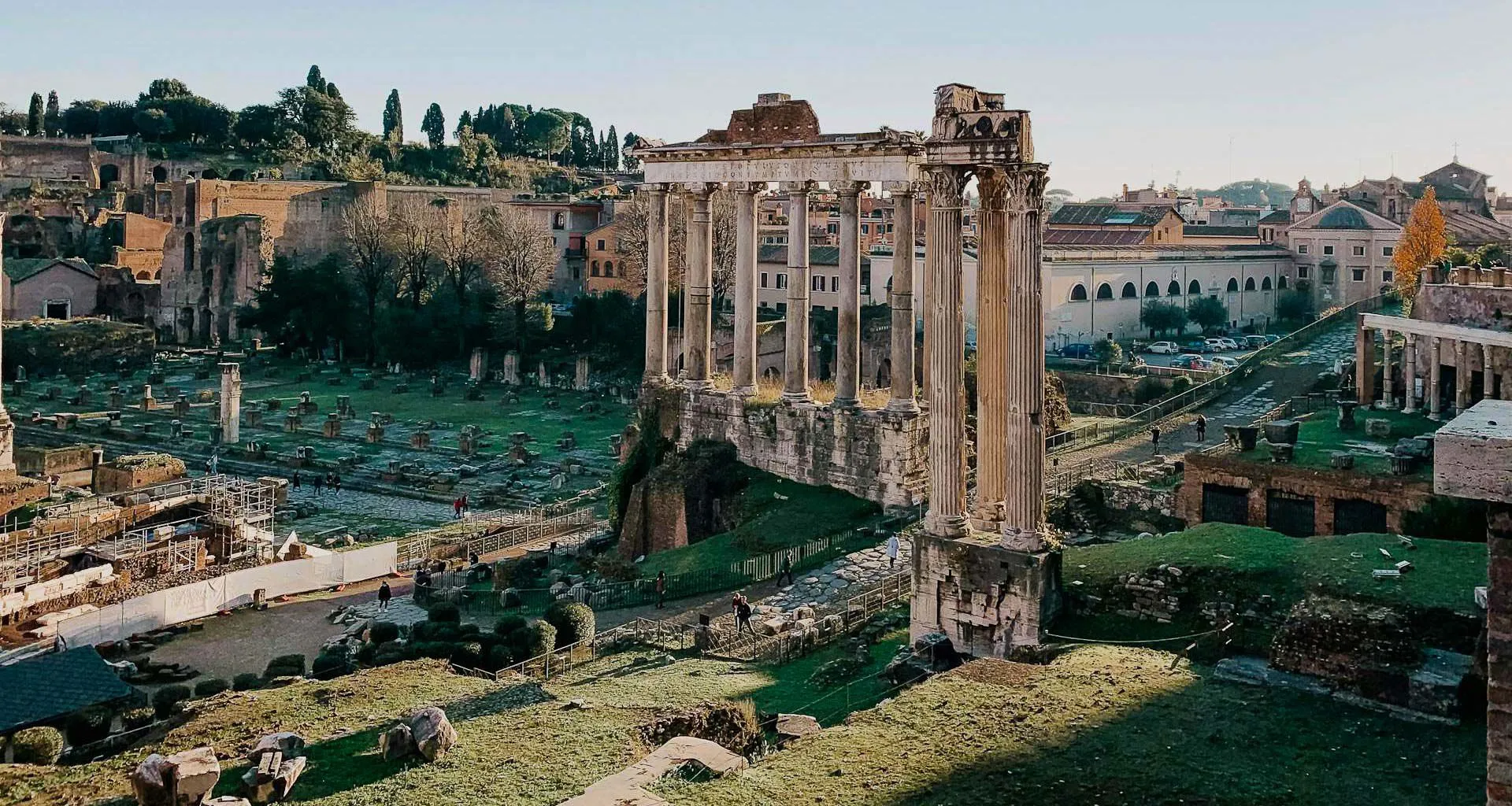
This is the moment everyone waits for. The bus turns down Via dei Fori Imperiali, a road built by Mussolini that slices through the ancient archaeological heart of the city. On either side, you see the columns and foundations of the Forums where Julius Caesar, Augustus, and Trajan once walked. It is the political and social center of the ancient world laid bare.
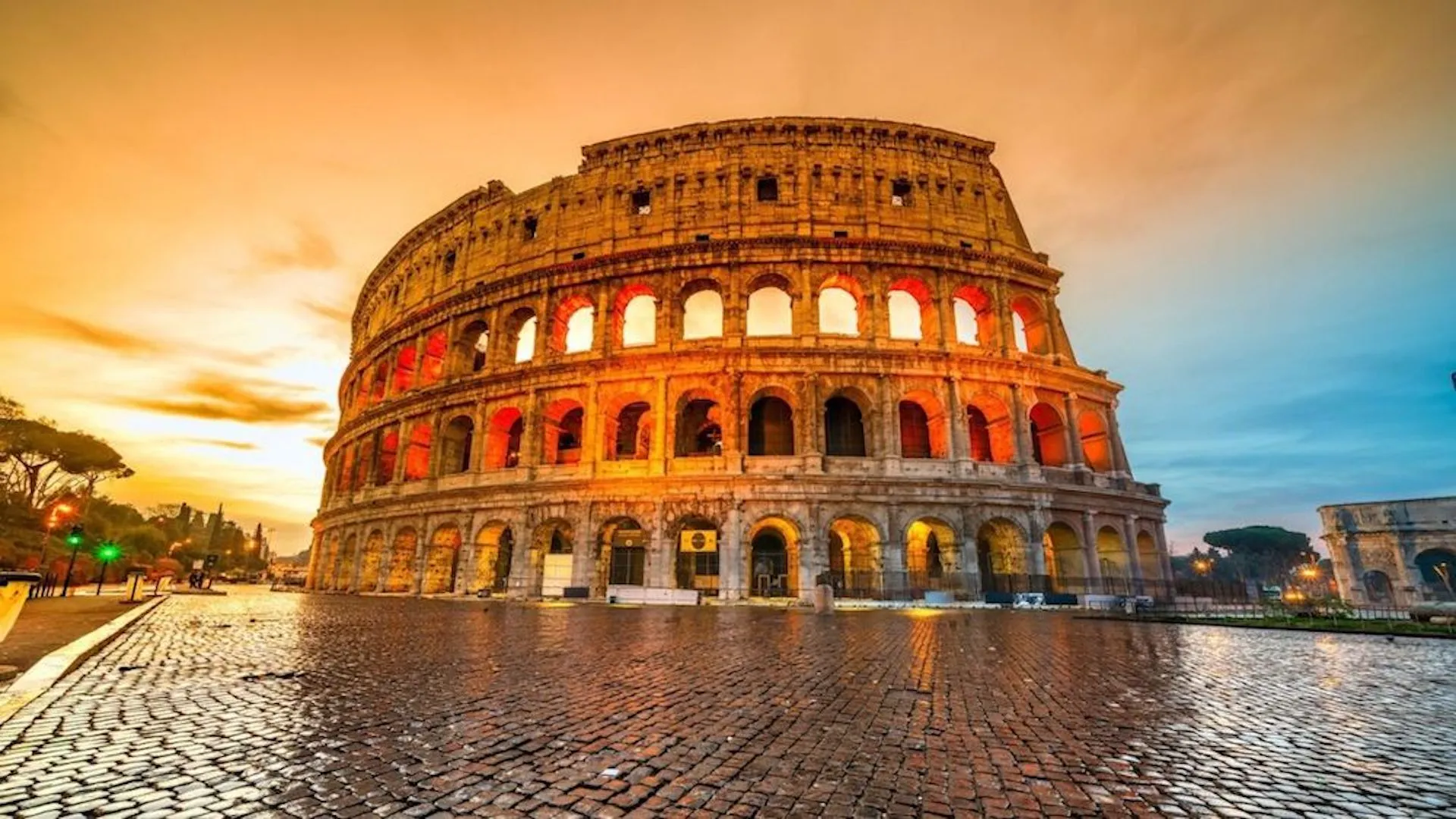
Then, the Colosseum looms into view. Seeing it from the elevated deck of a bus gives you a perspective on its sheer magnitude that you don't quite get from the ground. You can imagine the roar of 50,000 spectators cheering for gladiators. It stands as a testament to Roman engineering brilliance and brutality. Hopping off here allows you to walk on the very stones of history, exploring the Arch of Constantine and the entrance to the Palatine Hill.
Circus Maximus & Palatine Hill
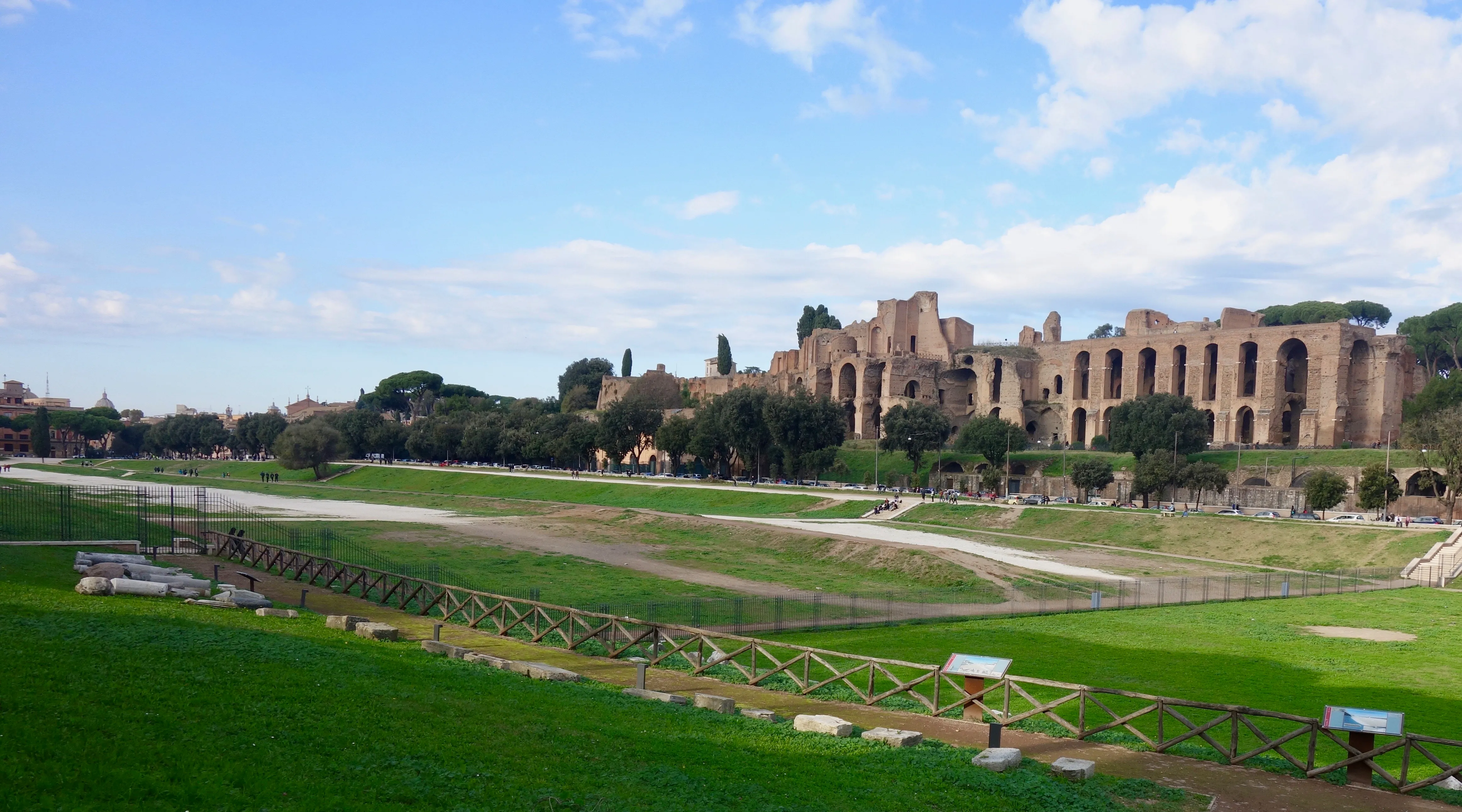
Continuing past the Colosseum, the bus runs alongside the Circus Maximus. Today it looks like a grassy valley, but your audio guide will help you visualize the chariot races that once took place here—think 'Ben-Hur'. It was the largest stadium in ancient Rome, seating nearly a quarter of a million people.
Above the Circus rise the ruins of the imperial palaces on the Palatine Hill. This is where the word 'palace' comes from. Emperors lived here looking down on the races. From the bus, the towering brick arches that supported these massive structures are awe-inspiring. It’s a stark reminder of the power dynamics of the empire: the rulers on the hill, the masses in the valley below.
Across the Tiber: The Vatican
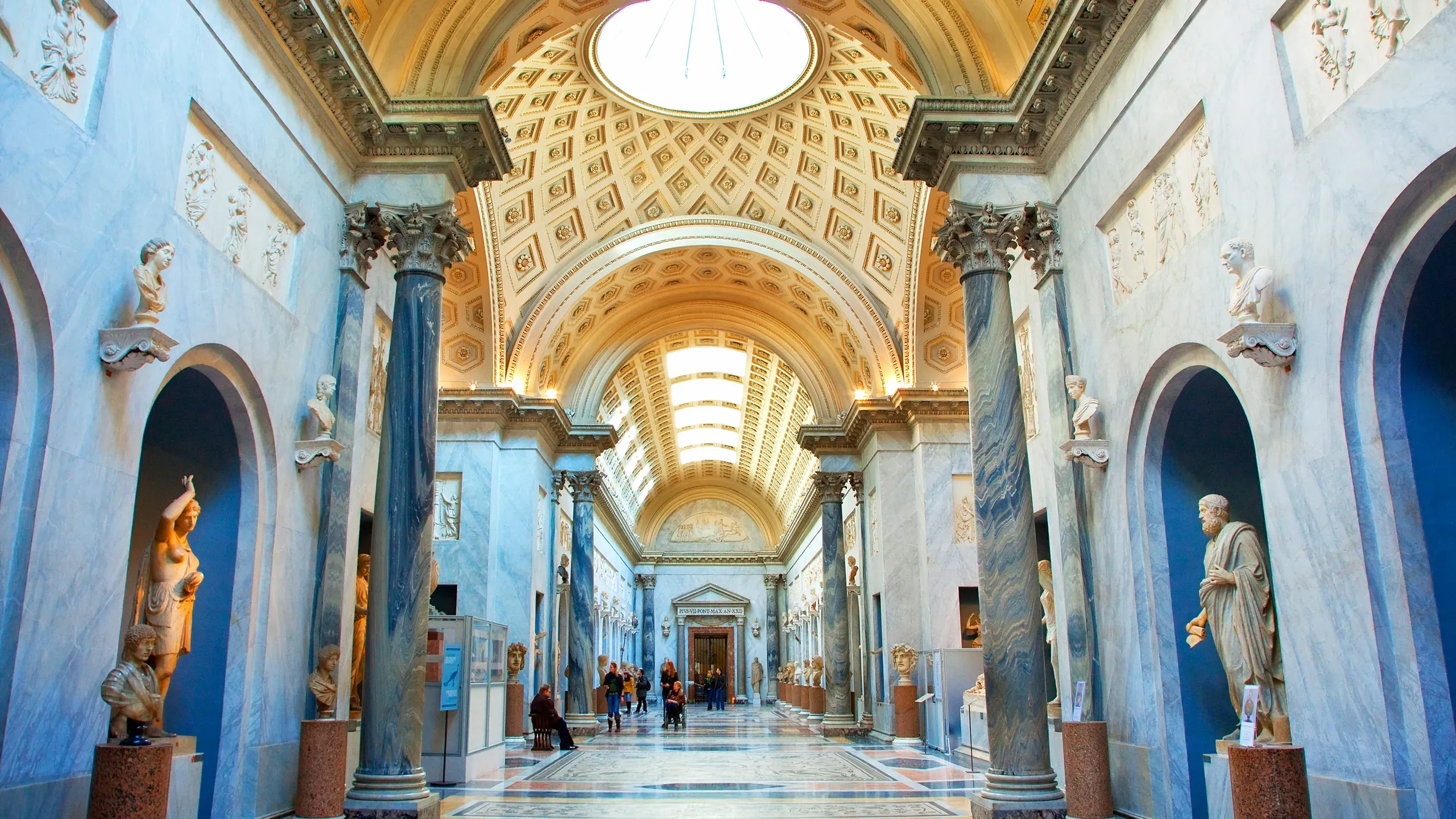
Crossing the Tiber River (Fiume Tevere) marks a transition from Imperial Rome to Papal Rome. The bus takes you towards Vatican City, an independent sovereign state within the city limits. The dome of St. Peter's Basilica, designed by Michelangelo, dominates the skyline. It is the spiritual heart of the Catholic world and a pilgrimage site for millions.
The bus drops you within walking distance of the Vatican Museums and St. Peter's Square. This is usually the bus's most popular stop. Even if you don't enter the museums, walking into the embrace of Bernini's colonnade in the square is a spiritual and architectural experience. The area is distinct from the rest of Rome—cleaner, grander, and charged with religious significance.
Castel Sant'Angelo & Bridges
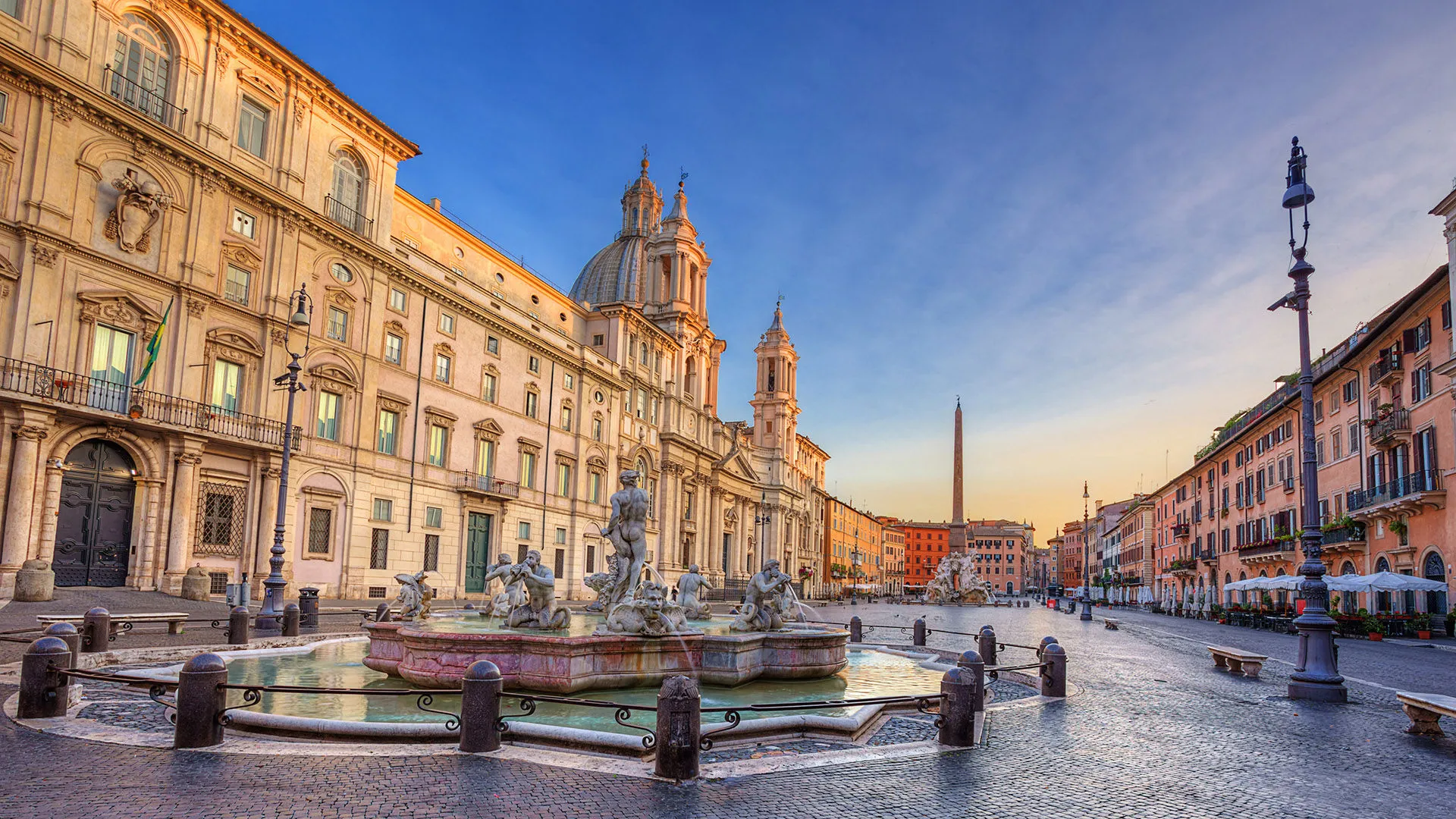
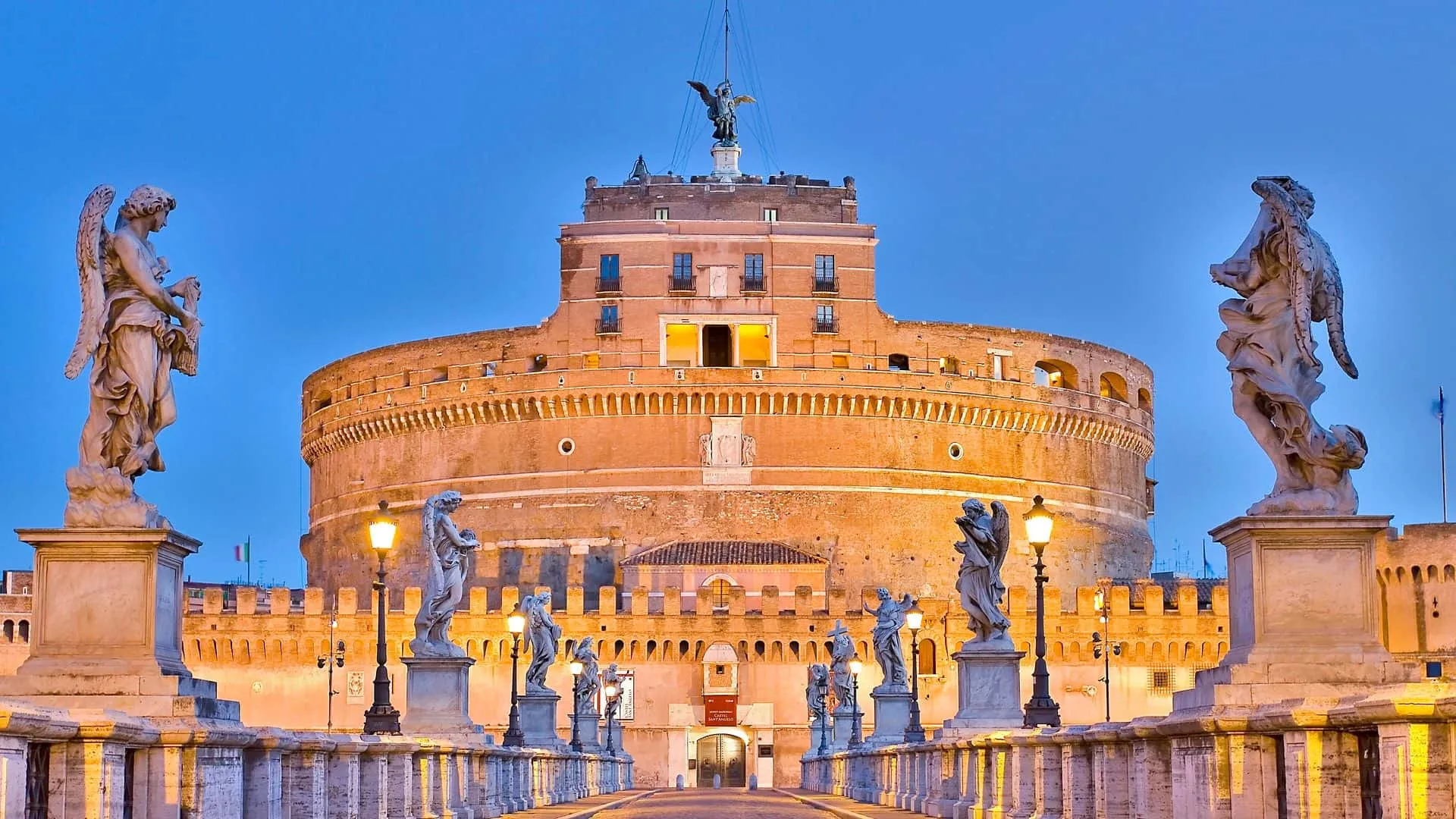
Nearby stands the imposing Castel Sant'Angelo. Originally built as a mausoleum for Emperor Hadrian, it was converted into a fortress for the Popes. A secret corridor, the Passetto di Borgo, connects it to the Vatican, used by Popes to escape danger. The bridge leading to it, Ponte Sant'Angelo, is lined with beautiful statues of angels holding instruments of the Passion, designed by Bernini.
The bus ride along the Lungotevere (the road along the river) offers beautiful views of Rome’s bridges and the sycamore trees lining the banks. It’s a breezier, more open part of the route that provides a visual break from the dense stone canyons of the city center.
Baroque Rome: Piazzas & Fountains
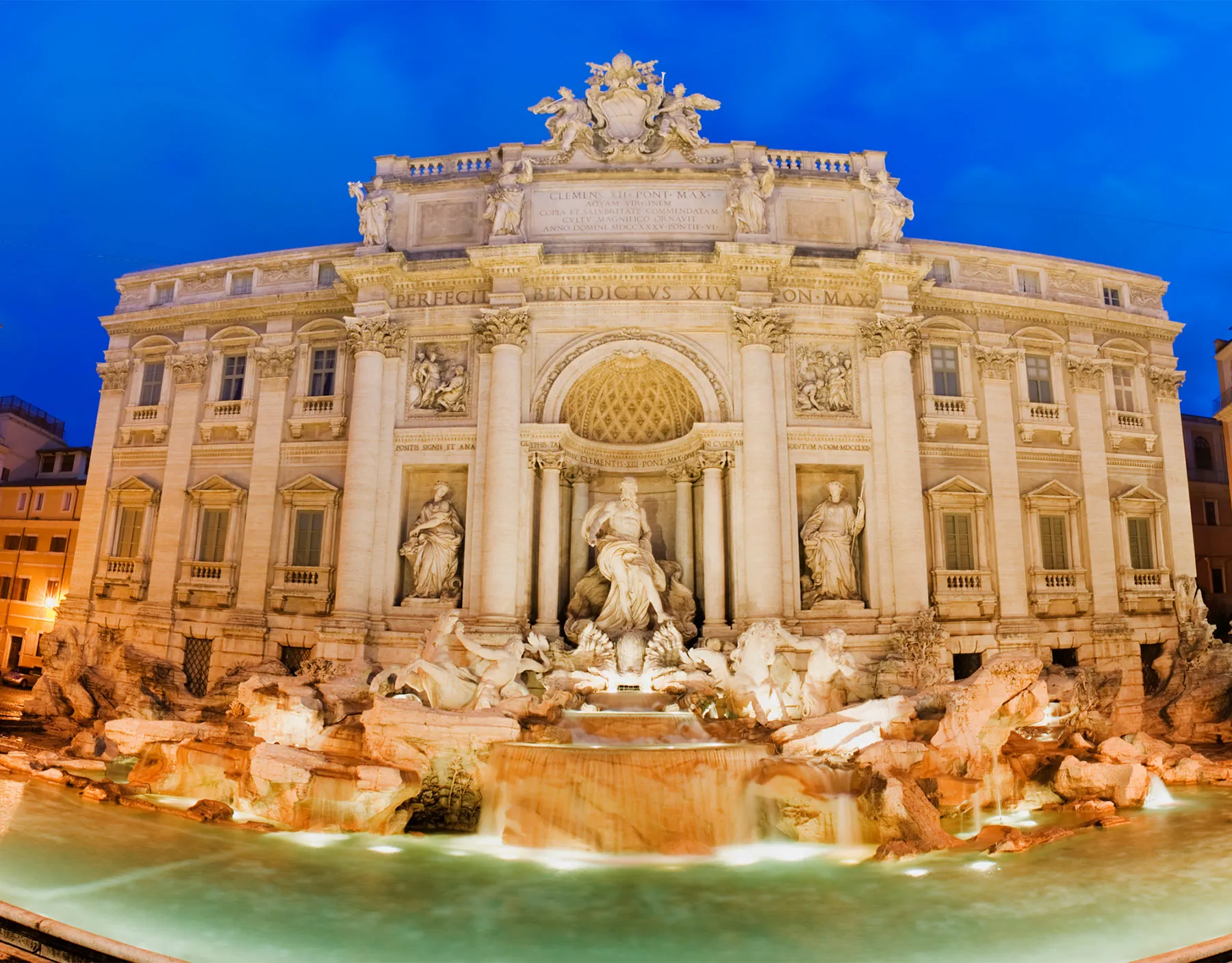
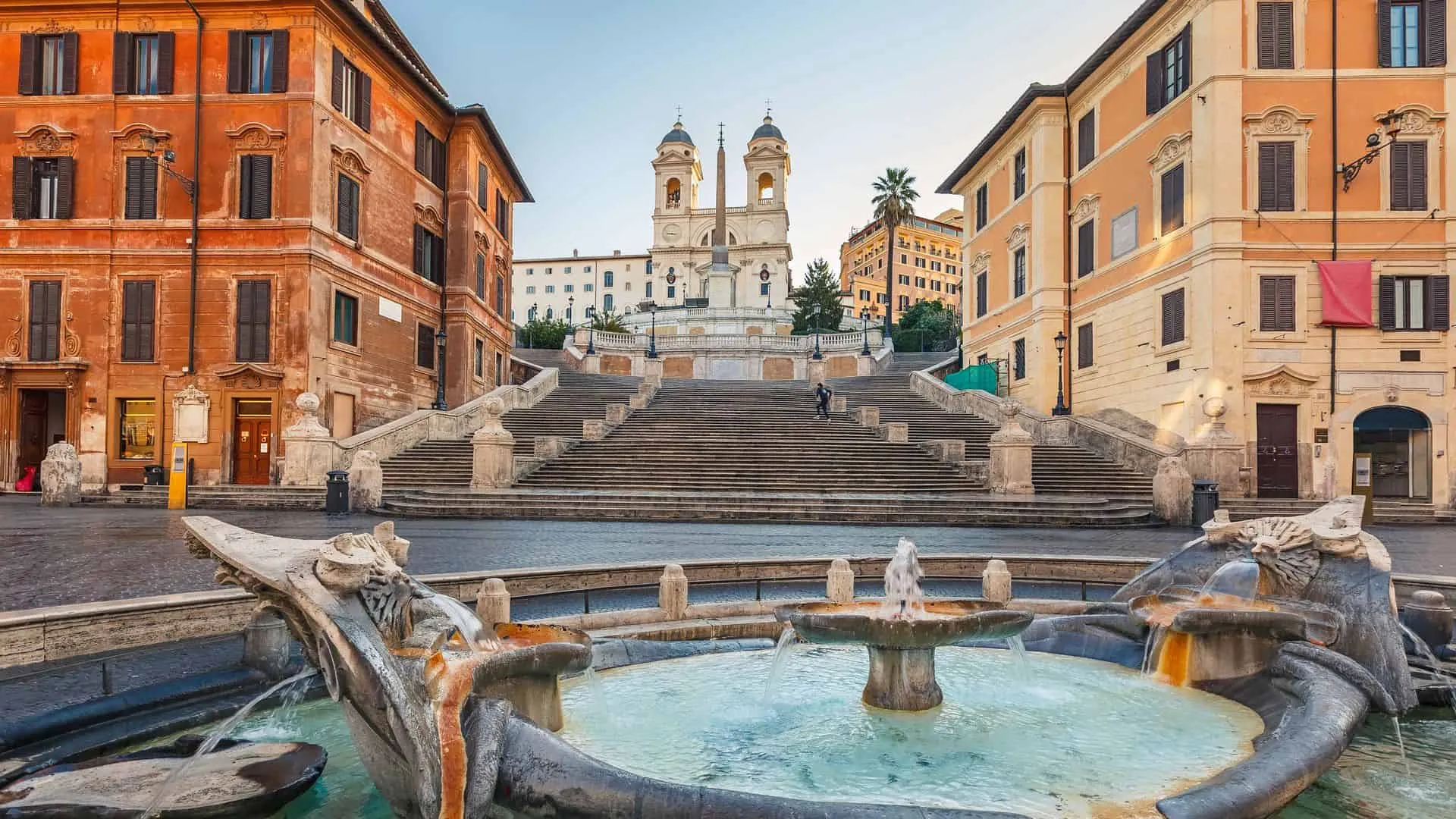
Looping back into the center, the bus approaches the era of La Dolce Vita. You’ll stop near Piazza Barberini and the Spanish Steps. This is Baroque Rome at its finest—theatrical, emotional, and stunningly beautiful. The Trevi Fountain is a short walk from the classic route. It is a tradition to throw a coin in to ensure your return to Rome.
The Spanish Steps, with the Trinita dei Monti church at the top, have been a meeting place for artists, poets, and travelers for centuries. From the bus, you might catch glimpses of the obelisks that dot the city—Rome has more ancient obelisks than Egypt!—which served as GPS markers for pilgrims in the old days.
Piazza Venezia & The Vittoriano
All roads in modern Rome seem to lead to Piazza Venezia. It is dominated by the Altar of the Fatherland (Il Vittoriano), a colossal white marble monument to the first king of unified Italy. Romans have many nicknames for it, including 'The Wedding Cake' or 'The Typewriter', due to its shape and stark white color which contrasts with the warm ochre tones of the rest of the city.
It is bombastic and unavoidable. The bus navigates the chaotic traffic of this square, giving you a front-row seat to the madness of Roman driving. The monument houses the Tomb of the Unknown Soldier and offers one of the best panoramic views of the city if you take the glass elevator to the top terrace.
Traffic, Chaos & Charm
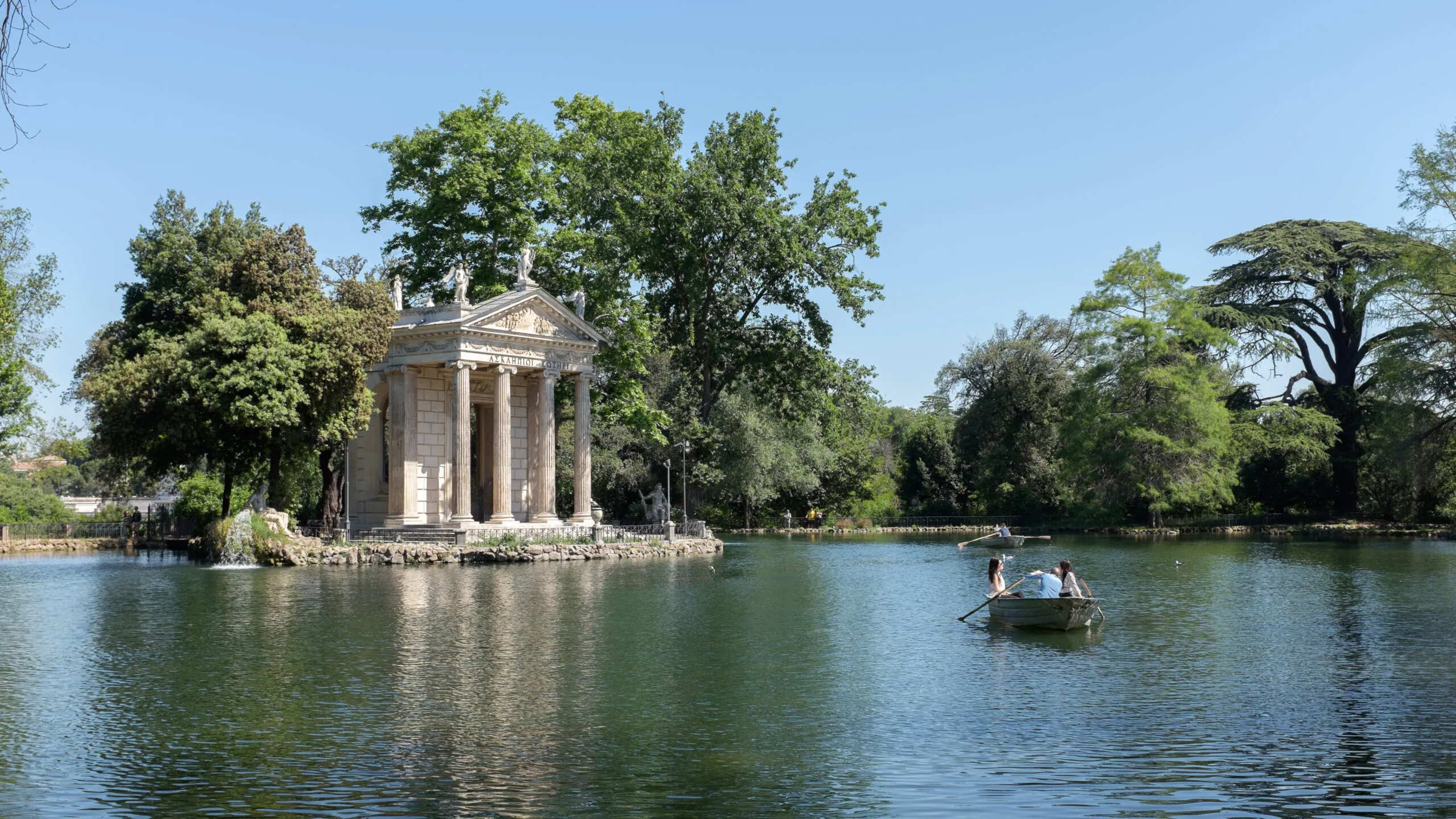
Let's be honest: Rome's traffic is legendary. But experiencing it from the safety of a double-decker bus is actually part of the charm. You watch the ballet of scooters weaving between cars, the animated hand gestures of drivers, and the sheer life force of the city. You aren't just observing monuments; you're observing the Romans.
Sometimes the bus will move slowly, or take a detour. Use this time. Look up at the details on the buildings—the shrines to the Madonna on street corners, the ivy cascading down amber walls, the people hanging laundry from windows. Rome is a city to be savored, not rushed.
Religious Rome: Major Basilicas
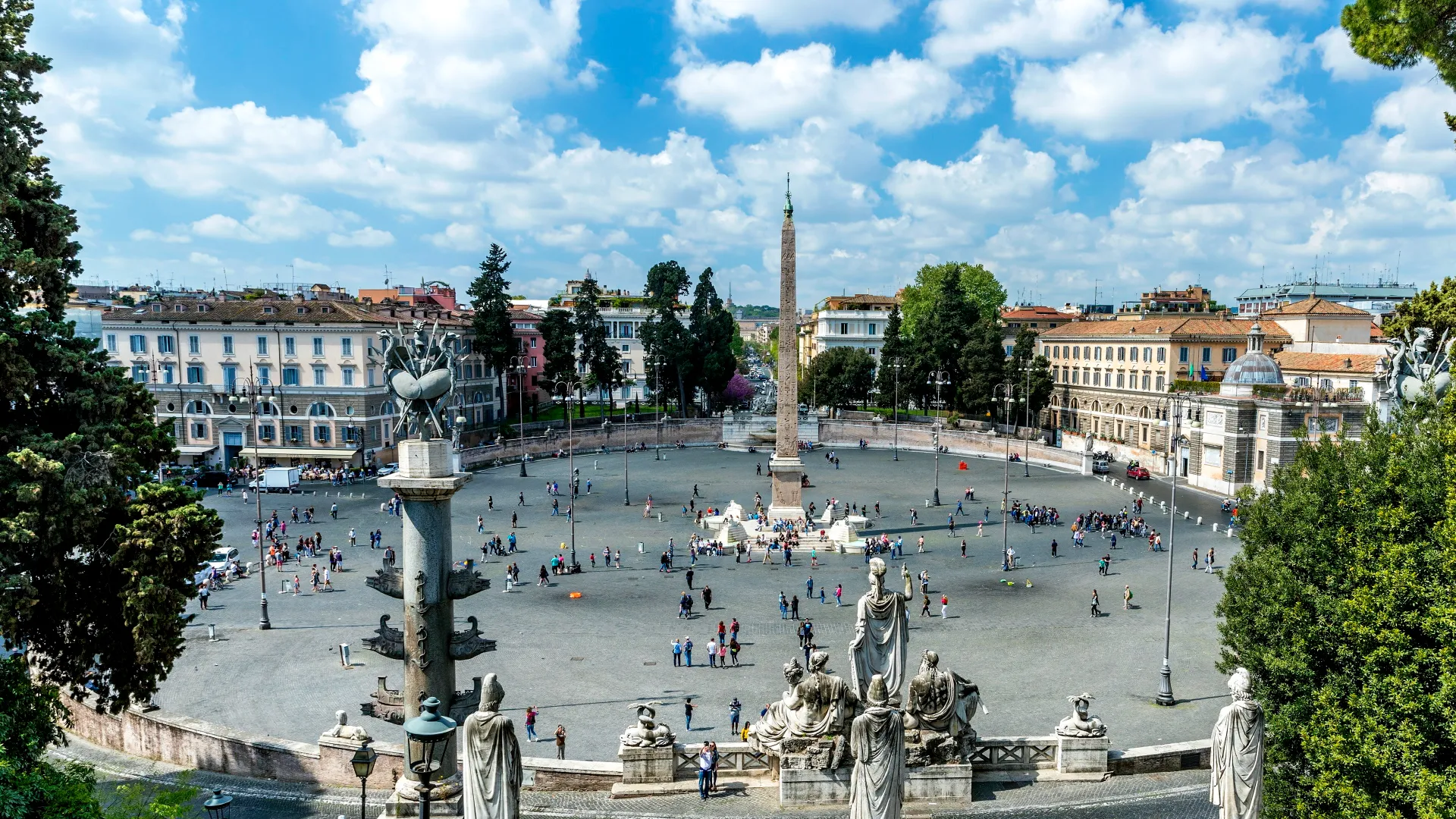
Aside from St. Peter's, the bus route connects you to other major patriarchal basilicas. Santa Maria Maggiore is a stunning church with incredible mosaics and a gold coffered ceiling (legend says the gold was brought from the Americas by Columbus). It is one of the few churches that has retained its original early Christian structure.
Another key stop is often San Giovanni in Laterano (St. John Lateran), the official cathedral of Rome (yes, not St. Peter's!). It is the seat of the Pope as the Bishop of Rome. The richness of art and history inside these churches is staggering, and the bus makes a pilgrimage between them effortless.
Modern Rome & Shopping
The bus route also touches the commercial heart of the city. Via del Corso and Via Nazionale are prime shopping streets. Whether you are looking for high-end Italian fashion or just a souvenir t-shirt, hopping off near the Spanish Steps or Piazza della Repubblica puts you right in the retail action.
It's a reminder that Rome isn't just a museum; it's a modern European capital. You’ll see teenagers on Vespas, business people in sharp suits, and the vibrant flow of contemporary life mixing seamlessly with the ancient backdrop.
Night Tours & Sunsets
Some operators offer special night tours or extended summer hours. Seeing Rome illuminated at night is magical. The Colosseum glows from within, the ruins of the Forum look ghostly and romantic, and the St. Peter's dome shines like a beacon. The air cools down, the traffic (slightly) eases, and the city takes on a completely different, more mysterious character.
If you can, try to time your ride for sunset. Watching the sky turn pink and orange over the Tiber River while you cruise along on the top deck is one of those 'pinch me' travel moments that justifies the ticket price all on its own.
Rome Wasn't Built in a Day
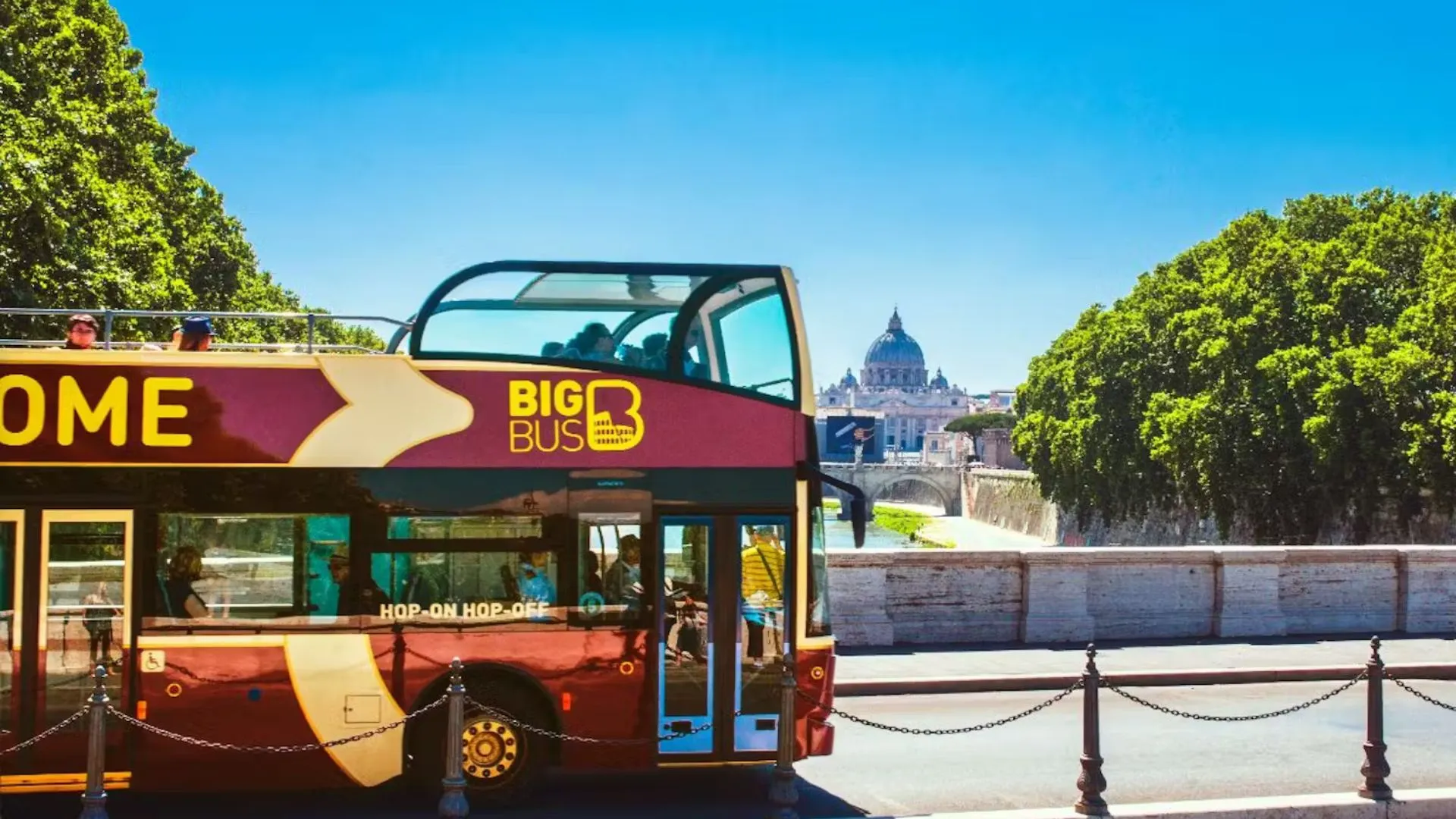
The old saying is true, and you certainly can't see it all in a day either. But the hop-on hop-off bus gives you the best possible overview. It helps you build a mental map of the city, connecting the dots between the distinct neighborhoods and monuments.
By the time you complete a loop, you'll understand why travelers have been drawn here for millennia. You've traced the path of emperors, popes, artists, and invaders. You've seen the glory of the past and the vibrancy of the present. And most importantly, you've saved your feet for the important stuff—like walking toward the nearest pizza place.
Зміст
The Eternal City's Layers
Rome is often described as a lasagna of history—layer upon layer of civilization built one on top of the other. As your bus navigates the streets, you aren't just moving horizontally across a map; you are moving vertically through time. You might drive past a 2,000-year-old temple that was converted into a church in the Middle Ages and now sits next to a 19th-century apartment block. This juxtaposition is what makes Rome unique.
The hop-on hop-off route is designed to showcase this incredible diversity. You don't just see the 'greatest hits'; you see the connective tissue of the city—the narrow medieval streets that open up into grand Baroque piazzas, and the majestic fragments of antiquity that stand stubbornly amidst modern traffic. It's a city where a simple bus ride is a lesson in the resilience and evolution of human civilization.
Termini & The Baths of Diocletian
Most journeys begin at Termini, a frenetic hub of modern activity. But look closely as you depart. Right across from the bus stands are the massive brick ruins of the Baths of Diocletian, once the largest public bath complex in ancient Rome, capable of holding 3,000 people. Parts of it were transformed by Michelangelo into a church, a perfect example of Rome's recycling of history.
As the bus pulls away, you pass through Piazza della Repubblica, which actually preserves the curved shape of the ancient bath's exedra. Before you've even reached the first 'major' sight, you've already driven through a complex that was the social center of the empire in the 4th century AD. It sets the tone for the rest of the tour: history is everywhere, often hiding in plain sight.
The Imperial Forum & Colosseum
This is the moment everyone waits for. The bus turns down Via dei Fori Imperiali, a road built by Mussolini that slices through the ancient archaeological heart of the city. On either side, you see the columns and foundations of the Forums where Julius Caesar, Augustus, and Trajan once walked. It is the political and social center of the ancient world laid bare.
Then, the Colosseum looms into view. Seeing it from the elevated deck of a bus gives you a perspective on its sheer magnitude that you don't quite get from the ground. You can imagine the roar of 50,000 spectators cheering for gladiators. It stands as a testament to Roman engineering brilliance and brutality. Hopping off here allows you to walk on the very stones of history, exploring the Arch of Constantine and the entrance to the Palatine Hill.
Circus Maximus & Palatine Hill
Continuing past the Colosseum, the bus runs alongside the Circus Maximus. Today it looks like a grassy valley, but your audio guide will help you visualize the chariot races that once took place here—think 'Ben-Hur'. It was the largest stadium in ancient Rome, seating nearly a quarter of a million people.
Above the Circus rise the ruins of the imperial palaces on the Palatine Hill. This is where the word 'palace' comes from. Emperors lived here looking down on the races. From the bus, the towering brick arches that supported these massive structures are awe-inspiring. It’s a stark reminder of the power dynamics of the empire: the rulers on the hill, the masses in the valley below.
Across the Tiber: The Vatican
Crossing the Tiber River (Fiume Tevere) marks a transition from Imperial Rome to Papal Rome. The bus takes you towards Vatican City, an independent sovereign state within the city limits. The dome of St. Peter's Basilica, designed by Michelangelo, dominates the skyline. It is the spiritual heart of the Catholic world and a pilgrimage site for millions.
The bus drops you within walking distance of the Vatican Museums and St. Peter's Square. This is usually the bus's most popular stop. Even if you don't enter the museums, walking into the embrace of Bernini's colonnade in the square is a spiritual and architectural experience. The area is distinct from the rest of Rome—cleaner, grander, and charged with religious significance.
Castel Sant'Angelo & Bridges
Nearby stands the imposing Castel Sant'Angelo. Originally built as a mausoleum for Emperor Hadrian, it was converted into a fortress for the Popes. A secret corridor, the Passetto di Borgo, connects it to the Vatican, used by Popes to escape danger. The bridge leading to it, Ponte Sant'Angelo, is lined with beautiful statues of angels holding instruments of the Passion, designed by Bernini.
The bus ride along the Lungotevere (the road along the river) offers beautiful views of Rome’s bridges and the sycamore trees lining the banks. It’s a breezier, more open part of the route that provides a visual break from the dense stone canyons of the city center.
Baroque Rome: Piazzas & Fountains
Looping back into the center, the bus approaches the era of La Dolce Vita. You’ll stop near Piazza Barberini and the Spanish Steps. This is Baroque Rome at its finest—theatrical, emotional, and stunningly beautiful. The Trevi Fountain is a short walk from the classic route. It is a tradition to throw a coin in to ensure your return to Rome.
The Spanish Steps, with the Trinita dei Monti church at the top, have been a meeting place for artists, poets, and travelers for centuries. From the bus, you might catch glimpses of the obelisks that dot the city—Rome has more ancient obelisks than Egypt!—which served as GPS markers for pilgrims in the old days.
Piazza Venezia & The Vittoriano
All roads in modern Rome seem to lead to Piazza Venezia. It is dominated by the Altar of the Fatherland (Il Vittoriano), a colossal white marble monument to the first king of unified Italy. Romans have many nicknames for it, including 'The Wedding Cake' or 'The Typewriter', due to its shape and stark white color which contrasts with the warm ochre tones of the rest of the city.
It is bombastic and unavoidable. The bus navigates the chaotic traffic of this square, giving you a front-row seat to the madness of Roman driving. The monument houses the Tomb of the Unknown Soldier and offers one of the best panoramic views of the city if you take the glass elevator to the top terrace.
Traffic, Chaos & Charm
Let's be honest: Rome's traffic is legendary. But experiencing it from the safety of a double-decker bus is actually part of the charm. You watch the ballet of scooters weaving between cars, the animated hand gestures of drivers, and the sheer life force of the city. You aren't just observing monuments; you're observing the Romans.
Sometimes the bus will move slowly, or take a detour. Use this time. Look up at the details on the buildings—the shrines to the Madonna on street corners, the ivy cascading down amber walls, the people hanging laundry from windows. Rome is a city to be savored, not rushed.
Religious Rome: Major Basilicas
Aside from St. Peter's, the bus route connects you to other major patriarchal basilicas. Santa Maria Maggiore is a stunning church with incredible mosaics and a gold coffered ceiling (legend says the gold was brought from the Americas by Columbus). It is one of the few churches that has retained its original early Christian structure.
Another key stop is often San Giovanni in Laterano (St. John Lateran), the official cathedral of Rome (yes, not St. Peter's!). It is the seat of the Pope as the Bishop of Rome. The richness of art and history inside these churches is staggering, and the bus makes a pilgrimage between them effortless.
Modern Rome & Shopping
The bus route also touches the commercial heart of the city. Via del Corso and Via Nazionale are prime shopping streets. Whether you are looking for high-end Italian fashion or just a souvenir t-shirt, hopping off near the Spanish Steps or Piazza della Repubblica puts you right in the retail action.
It's a reminder that Rome isn't just a museum; it's a modern European capital. You’ll see teenagers on Vespas, business people in sharp suits, and the vibrant flow of contemporary life mixing seamlessly with the ancient backdrop.
Night Tours & Sunsets
Some operators offer special night tours or extended summer hours. Seeing Rome illuminated at night is magical. The Colosseum glows from within, the ruins of the Forum look ghostly and romantic, and the St. Peter's dome shines like a beacon. The air cools down, the traffic (slightly) eases, and the city takes on a completely different, more mysterious character.
If you can, try to time your ride for sunset. Watching the sky turn pink and orange over the Tiber River while you cruise along on the top deck is one of those 'pinch me' travel moments that justifies the ticket price all on its own.
Rome Wasn't Built in a Day
The old saying is true, and you certainly can't see it all in a day either. But the hop-on hop-off bus gives you the best possible overview. It helps you build a mental map of the city, connecting the dots between the distinct neighborhoods and monuments.
By the time you complete a loop, you'll understand why travelers have been drawn here for millennia. You've traced the path of emperors, popes, artists, and invaders. You've seen the glory of the past and the vibrancy of the present. And most importantly, you've saved your feet for the important stuff—like walking toward the nearest pizza place.